Flakes on a dark shirt look the same whether the cause is dandruff or a dry scalp, which is why so many men in Gastonia treat the wrong problem for months. The two conditions overlap, but they come from different places. Dandruff is tied to an oily scalp and a normal skin yeast that some people react to. Dry scalp is simpler: skin that lacks moisture, often after hot showers, harsh shampoo, or cold dry air.
The fix depends on which one you have. A dandruff shampoo will not moisturize a dry scalp, and a heavy conditioner will not calm true dandruff. The good news is that you can usually sort it out at home in about ten minutes of paying attention, before you spend anything or book anything.
Start with the flakes themselves
Dry scalp flakes tend to be small, white, and dry, and they fall easily. They often show up with dry skin elsewhere too, like flaky forearms or tight skin after a shower. Dandruff flakes are usually larger, yellowish or off-white, and slightly oily or sticky. They cling to the hair and scalp instead of floating off, and the scalp underneath often looks a little red or feels itchy in patches, especially behind the ears and along the hairline.
Itch alone does not settle it. Both conditions itch. Oil is the better clue. Run clean fingers over your scalp a day after washing. If your fingertips feel slick and the flakes look greasy, think dandruff. If your scalp feels tight and papery and the flakes are powdery, think dryness first.
Work through it in order
- Check the flake. Small, white, and powdery points to dry scalp. Larger, yellowish, and oily points to dandruff.
- Check the scalp. Tight and dry all over suggests dryness. Red, itchy patches with oil suggest dandruff or another skin condition.
- Review your washing. Daily hot showers and strong shampoo strip oil and cause dry flakes. Washing once a week and piling on product can let oil and yeast build up.
- Change one thing. For dryness, wash less often, use lukewarm water, and add a light conditioner. For suspected dandruff, use an anti-dandruff shampoo as directed and let it sit a few minutes before rinsing.
- Give it three to four weeks. Skin turns over slowly. Judge the change after several washes, not after one.
- Note what did not change. Spreading redness, thick crust, sores, or hair loss are not a shampoo problem. Those go to a dermatologist.
Washing frequency is the lever most men get wrong
There is no single right schedule. A man who works outdoors in Gastonia summers, sweats through a hat, and uses product daily may need to wash often, with a gentler shampoo. A man with short hair, no product, and dry skin may do better washing two or three times a week and rinsing with water on other days. What matters is matching the wash to the oil. If your scalp is greasy by the next morning, washing less will not train it to be less oily. If your scalp is dry and tight, daily scrubbing with a strong clarifying shampoo will keep making flakes.
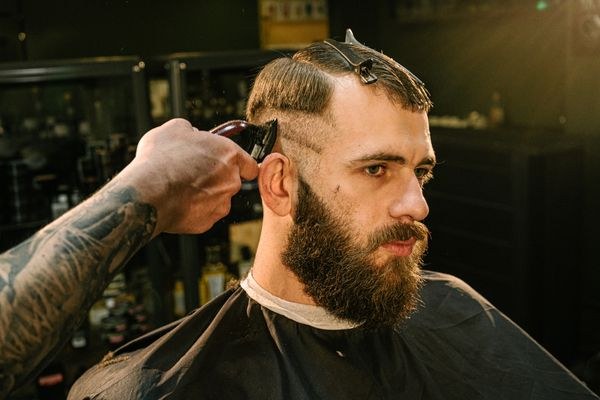
Technique matters too. Massage shampoo into the scalp with fingertips, not nails, and rinse fully. Product and shampoo residue left behind can itch and flake on their own, and they get blamed on dandruff all the time. At LATINO'S BARBERSHOP & HAIR SALON, a barber sees your scalp up close under bright light at every cut, so ask what they are seeing. A close look during a fade often settles the dry versus oily question faster than a bathroom mirror does.
When it is not a barber or shampoo question
Some scalp problems wear a dandruff disguise. Psoriasis makes thick, silvery patches with clear edges. Eczema makes red, weeping or crusted patches. A fungal infection can make round patches with broken hairs. Seborrheic dermatitis, the condition behind most stubborn dandruff, can also spread to eyebrows, ears, and the chest. Barbers can spot that something looks off, and a good one will say so, but diagnosis and prescription treatment belong to a dermatologist. Go sooner rather than later if flakes come with pain, swelling, oozing, rapid hair loss, or patches that bleed. Those signs mean the home routine is not the right tool, no matter how long you give it.
Common questions
Can a haircut help with dandruff?
A shorter cut makes the scalp easier to wash and treat, and a barber can flag patches you cannot see. The cut itself does not treat the condition, so pair it with the right shampoo routine.
How long should I try a dandruff shampoo before switching?
Give it three to four weeks of use as directed. If flakes and itching are unchanged or worse after that, stop guessing and see a dermatologist.
Does dry scalp mean I should stop washing my hair?
No. It usually means wash a bit less often, use lukewarm water instead of hot, and choose a gentler shampoo with conditioner. Skipping washes entirely lets oil and product build up.
Photos in this guide are representative stock images.
← All guides from LATINO'S BARBERSHOP & HAIR SALON← Back to LATINO'S BARBERSHOP & HAIR SALON